
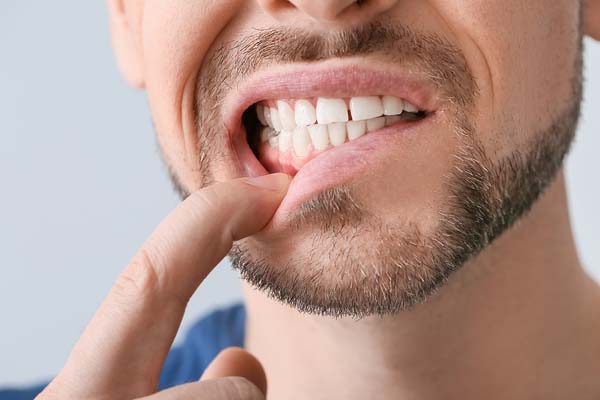
Photodynamic therapy (PDT) is gaining recognition as an innovative, non-invasive method for managing gum infections and improving periodontal health. By combining light, a photosensitizing agent, and oxygen, PDT offers a targeted and effective solution for addressing bacterial infections in the gums.
What Is Photodynamic Therapy?
PDT involves three key components:
- Photosensitizing Agent: A light-activated compound applied to the infected area.
- Light Source: A specific wavelength of light activates the agent.
- Oxygen Interaction: When activated, the agent reacts with oxygen to produce reactive oxygen species (ROS) that destroy harmful bacteria.
How PDT Works for Gum Infections
In cases of periodontal disease, harmful bacteria accumulate below the gumline, leading to inflammation, bleeding, and even tooth loss. PDT targets these bacteria effectively without harming healthy tissues.
- The photosensitizer is applied to the affected area.
- A low-intensity laser or LED light activates the agent.
- The ROS generated destroy bacteria and reduce inflammation.
Benefits of Photodynamic Therapy
1. Minimally Invasive Treatment
- No cutting or sutures required.
- Reduces post-procedure discomfort and recovery time.
2. Targeted Bacterial Elimination
- Destroys specific bacteria associated with gum infections.
- Preserves healthy tissues and reduces the risk of over-treatment.
3. Combats Antibiotic Resistance
- PDT offers an alternative to antibiotics, making it ideal for patients concerned about antibiotic overuse.
4. Enhanced Healing
- The laser-assisted light promotes better circulation and faster tissue regeneration.
Applications of PDT in Periodontal Care
1. Treating Periodontitis
PDT effectively manages chronic gum infections by targeting deep-seated bacteria in periodontal pockets.
2. Peri-Implantitis
Used to address infections around dental implants without compromising the implant structure.
3. Gingivitis
For mild gum inflammation, PDT can reverse the condition without traditional scaling or root planing.
Photodynamic Therapy vs. Traditional Treatments
| Aspect | Photodynamic Therapy | Traditional Scaling and Surgery |
|---|---|---|
| Invasiveness | Non-invasive | Can require cutting or sutures |
| Pain and Recovery | Minimal discomfort | Longer recovery periods |
| Targeting Precision | High precision with minimal tissue damage | May affect surrounding healthy tissue |
| Bacterial Resistance | No resistance issues | Antibiotics may lead to resistance |
The Role of Lasers in PDT
Laser-assisted treatments are integral to PDT, providing the precision and wavelength specificity needed to activate photosensitizing agents.
- Lasers are gentle on tissues, reducing thermal damage.
- They stimulate healing while effectively targeting bacteria.
Who Can Benefit from PDT?
- Patients with chronic periodontal disease who want a non-surgical alternative.
- Individuals who prefer a low-risk, pain-free procedure.
- Patients with compromised immune systems or concerns about antibiotics.
Future of PDT in Periodontal Care
Research continues to enhance the effectiveness of PDT by exploring:
- Advanced photosensitizers for deeper penetration.
- Combination therapies with traditional periodontal treatments for severe cases.
Photodynamic therapy represents a cutting-edge, patient-friendly approach to treating gum infections. Its ability to precisely target harmful bacteria while promoting healing makes it a valuable tool in modern periodontal disease management. By incorporating laser-assisted treatments, PDT offers an effective, minimally invasive solution for patients seeking advanced care for gum health.